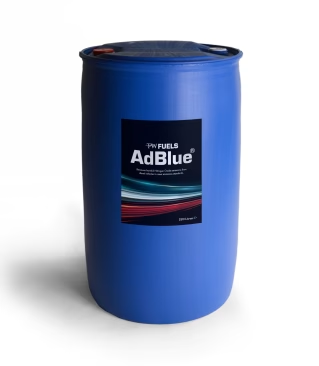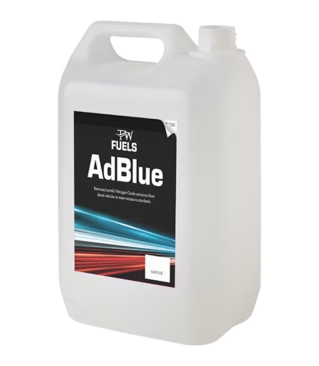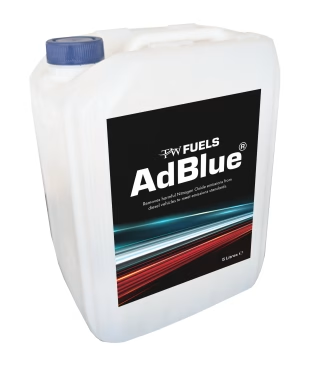

AdBlue is a high-purity, colourless liquid made from a mixture of deionised water and urea (32.5%). It is not a fuel, nor an additive for diesel. Instead, it is a specialist fluid designed to reduce harmful emissions from modern diesel engines that use Selective Catalytic Reduction (SCR) technology.
When diesel is burned in an engine, it produces nitrogen oxides (NOx), which are harmful pollutants linked to air quality and environmental issues. AdBlue is injected into the vehicle’s exhaust system, where it reacts with the hot exhaust gases. The heat converts AdBlue into ammonia, which then enters the SCR catalyst. Here, a chemical reaction takes place that breaks down the nitrogen oxides into harmless nitrogen and water vapour — both naturally occurring in the atmosphere.
Why is AdBlue Important?
- Emissions compliance – It enables vehicles to meet Euro 6 and other strict emissions standards.
- Cleaner operation – Reduces harmful pollutants, helping improve air quality.
- Widespread use – Required in most modern diesel cars, vans, trucks, buses, and agricultural machinery.
Key Facts About AdBlue
- It is non-toxic, but can corrode metals if spilled.
- Consumption rates vary but typically average 3–5% of diesel usage.
- AdBlue must meet the ISO 22241 standard to ensure purity and prevent vehicle damage.
- Running out of AdBlue will trigger warnings, and eventually the vehicle may not restart until refilled.
✅ In summary: AdBlue is essential for keeping modern diesel vehicles both road-legal and environmentally responsible. It works by transforming harmful NOx emissions into clean nitrogen and water, making it a crucial part of sustainable transport.