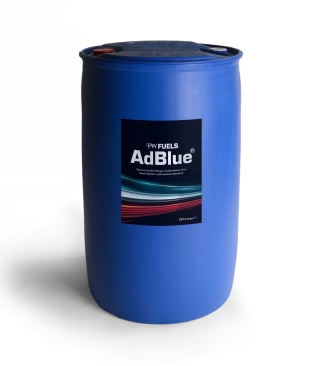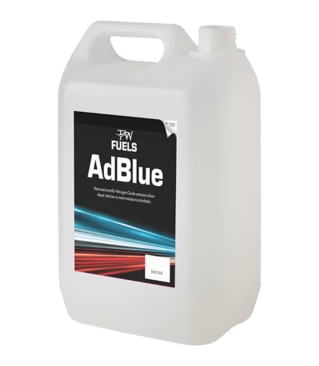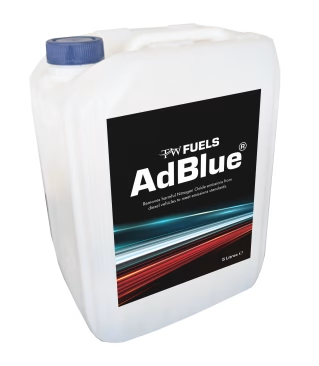

AdBlue is a vital fluid for modern diesel vehicles that use Selective Catalytic Reduction (SCR) technology to cut harmful emissions. Because AdBlue is essential to keeping your vehicle compliant with emissions laws, running out has direct consequences for performance and even whether the vehicle will run at all.
Dashboard Warnings
When AdBlue levels are running low, your vehicle will issue a series of warnings on the dashboard:
- First warning: A message or symbol showing that the AdBlue tank needs refilling soon (often at around 1,500 miles remaining).
- Second warning: A countdown of the remaining mileage until the tank is empty.
- Final stage: The vehicle may limit performance and display urgent messages requiring immediate refill.
If You Ignore the Warnings
- Vehicle won’t restart: Once the AdBlue tank is completely empty, most vehicles are programmed not to restart until the tank is refilled. This is a legal requirement to ensure compliance with Euro 6 emissions standards.
- Reduced power: Some vehicles will restrict engine performance (limp mode) as levels drop, making driving less efficient.
- Risk of downtime: For fleet operators, this can mean unexpected delays, recovery costs, and missed deliveries.
What to Do If You Run Out
- Top up immediately: Keep a spare bottle (5L or 10L) in your vehicle for emergencies.
- Restart procedure: After refilling, the vehicle’s system may take a short time to recognise the refill. In some cases, the ignition may need to be cycled, or the car driven a short distance before the warning clears.
- Use only certified AdBlue: Always choose AdBlue that meets the ISO 22241 standard to avoid contamination and potential system damage.
How to Prevent Running Out
- Refill as soon as the first warning appears.
- Know your vehicle’s average AdBlue consumption (typically 3–5% of diesel use).
- For fleets, consider managed supply solutions with scheduled refills and telematics monitoring.
✅ In summary: Running out of AdBlue won’t damage your engine, but it will stop your vehicle from restarting until the tank is refilled. Staying topped up is essential to avoid disruption, downtime, and costly delays.